

The Science Behind Yoga and Sound Healing for a More Balanced Life
In a world that often feels chaotic and overwhelming, finding balance is essential for our mental and physical well-being. Yoga and sound healing are two powerful practices that can help us reconnect with ourselves and achieve a more harmonious life. This blog explores the scientific principles that underlie these ancient practices, delving into how they can support a balanced life through mindfulness and therapeutic techniques.

Understanding the Principles of Yoga
Yoga is more than just a series of physical postures; it is a comprehensive system for achieving physical and mental harmony. The foundational principles of yoga revolve around the integration of body, mind, and spirit, creating a pathway toward a balanced life. Through mindful practice, yogis learn to cultivate self-awareness and emotional regulation, which are essential for navigating life's challenges.
The concept of asanas, or postures, plays a vital role in promoting flexibility, strength, and endurance. Each pose can be viewed as a unique expression of balance within the body, reflecting the delicate interplay between stability and movement. By engaging in regular practice, individuals can enhance their physical capabilities while simultaneously fostering a sense of inner peace.
Moreover, the principles of breath control, known as pranayama, are integral to the practice of yoga. Breath serves as a bridge between the body and mind, allowing practitioners to center themselves and release tension. Mastering breath control not only supports physical postures but also calms the mind, paving the way for deeper meditation and reflection.
Incorporating meditation into your yoga routine can further deepen your understanding of its principles. Through focused attention, meditation encourages a heightened awareness of thoughts and emotions, enabling individuals to cultivate a balanced life by fostering a sense of acceptance and clarity. Thus, yoga serves as an excellent foundation for personal growth and emotional well-being.
The Role of Sound Healing in Holistic Wellness
Sound healing is an ancient practice that uses frequencies and vibrations to facilitate physical and emotional healing. It operates on the principle that everything in the universe is in a constant state of vibration, including our bodies. By harnessing specific sound frequencies, practitioners can restore balance to the body's energy systems, promoting overall wellness and relaxation.
Various sound healing techniques, such as Tibetan singing bowls, tuning forks, and vocal toning, create harmonic resonance that can penetrate deeply into our being. These sounds work to release blockages and negative energy, allowing the body to align itself naturally. The benefits extend beyond the physical, as sound healing can profoundly impact the emotional and spiritual dimensions of one’s life.
Studies have shown that sound therapy can significantly reduce stress and anxiety levels, which are major barriers to achieving a balanced life. The calming effect of sound waves activates the parasympathetic nervous system, encouraging relaxation and restorative states. Individuals often report feelings of tranquility and clarity during and after sound healing sessions.
Incorporating sound healing into one’s wellness routine can enhance mindfulness practices such as yoga and meditation. As the healing vibrations resonate with the body, they create an ideal environment for introspection and deep relaxation, allowing individuals to cultivate inner peace and balance. Together, sound healing and yoga form a potent duo for holistic wellness.
Yoga and Sound Healing: A Synergistic Approach
When combined, yoga and sound healing create a synergistic approach to wellness that addresses both the body and mind. This integrated practice can amplify the benefits of each discipline, leading to a more profound experience of healing and transformation. By engaging with both physical movement and auditory stimuli, practitioners can unlock deeper states of relaxation and connectivity.
During yoga sessions paired with sound healing, participants can experience a heightened sense of awareness. As the body flows through various asanas, the soothing sounds create an ambiance conducive to mindfulness. Participants often find that the vibrational energy enhances their focus, allowing for a more authentic connection with their true selves.
Additionally, the rhythmic elements of sound healing can aid in maintaining a steady flow during yoga practice. The harmonious tones can guide movements and facilitate transitions between poses, creating a seamless experience. This integration not only enriches the practice but also reinforces the importance of alignment—both physically and energetically.
Ultimately, the marriage of yoga and sound healing can serve as a transformative catalyst for developing a balanced life. This dual practice fosters a deeper understanding of self, nurturing emotional resilience and physical vitality. Each session becomes an opportunity for self-discovery, helping individuals align with their highest potential.
Scientific Insights: How Yoga Affects the Brain
Recent scientific research has shed light on the profound effects of yoga on brain function. Engaging in regular yoga practice has been shown to enhance cognitive functions, including memory, attention, and executive functioning. Neuroimaging studies indicate that yoga positively influences brain structures, particularly those related to emotional regulation and stress response.
One striking finding is the impact of yoga on the amygdala, the brain's fear center. Regular practitioners demonstrate a reduction in amygdala size, which correlates with lower levels of anxiety and stress. This change is thought to result from the combination of physical movement, breath control, and mindfulness inherent in yoga, fostering greater emotional resilience.
Moreover, yoga stimulates the release of neurotransmitters such as serotonin and GABA, which play key roles in mood regulation. Increased levels of these chemicals can lead to feelings of happiness and contentment, providing an important foundation for achieving a balanced life. This biochemical response is further enhanced through the relaxation and meditative aspects of yoga, which promote a positive shift in mental state.
By understanding the neuroscience behind yoga, we gain valuable insights into its holistic benefits. The brain-body connection is strengthened, illustrating how physical practices can lead to significant mental changes. For those seeking emotional balance and mental clarity, yoga emerges not just as a physical discipline but as a vital tool for enhancing overall well-being.
The Healing Frequencies: How Sound Therapy Works
The concept of sound therapy is rooted in the idea that certain frequencies can resonate with the body’s cells and energy systems. This resonance can promote healing on multiple levels—physically, emotionally, and spiritually. By leveraging the vibrational properties of sound, therapists can address imbalances that cause discomfort or distress.
Specific frequencies can stimulate cellular regeneration and promote the release of toxins, leading to improved health outcomes. Research has identified that specific sound frequencies can enhance circulation, reduce inflammation, and support overall bodily functions. This scientific validation underscores the healing potential of sound therapy as a complementary practice to yoga.
For instance, the frequency of 432 Hz is often associated with relaxation and harmony, while 528 Hz is linked to transformation and healing. When employed during sound healing sessions, these frequencies can synchronize with the body’s energy centers, or chakras, allowing for a deeper restoration of equilibrium and balance. Such targeted approaches provide a powerful means to cultivate a balanced life.
As we explore the intersection of sound therapy and wellness, we can appreciate how these practices support a holistic lifestyle. They not only address the symptoms of stress and imbalance but also work at a deeper energetic level. Incorporating sound therapy into yoga sessions can dramatically elevate the healing experience, creating an environment rich in nurturing frequencies.
Tips for Integrating Yoga and Sound Healing into Daily Life
Integrating yoga and sound healing into your daily life can begin with small yet impactful steps. Start by creating a dedicated space for your practice that encourages relaxation and mindfulness. This could include soft lighting, comfortable seating, and soothing sounds, setting the stage for your journey towards a more balanced life.
Consistency is key in establishing a routine. Aim to practice yoga and sound healing several times a week—whether via guided sessions or solo practice. Even short sessions can yield significant benefits when approached with mindfulness and intention. Setting aside time in the morning or evening can help form a habit that nurtures both your body and mind.
Utilize resources such as online classes or local workshops to explore different aspects of yoga and sound therapy. Engaging with a community can provide support and encouragement as you delve deeper into these practices. Many practitioners find that sharing experiences enhances their connection and commitment to maintaining a balanced life.
Finally, remember that integration is a personal journey. Listen to your body and mind and adjust your practice to suit your needs. Sometimes, simply listening to soothing music or nature sounds can serve as a form of sound healing in your daily life. Prioritizing this aspect of self-care is essential for cultivating emotional and physical balance.
Embracing Balance in Everyday Life
As we've explored, both yoga and sound healing offer profound benefits for achieving a balanced life. Integrating these practices into your daily routine can not only enhance your physical health but also bring a sense of peace and purpose to your overall well-being. Whether you're a seasoned practitioner or just curious about these approaches, there is always room for exploration and growth.

5 Ways Healing Frequencies Can Transform Your Daily Routine
In today's fast-paced world, we often overlook the power of sound and its profound impact on our well-being. Healing frequencies, used for centuries in various cultures, can be the key to enhancing our daily lives. In this blog, we'll explore five unique ways that incorporating healing frequencies can transform your routine, promote balance, and foster a sense of peace.

Understanding Healing Frequencies
To appreciate how healing frequencies work, it’s essential to understand their science and history. Healing frequencies refer to specific sound waves that resonate with our body's energy fields, promoting healing and balance. These frequencies can influence our emotions, thoughts, and physical well-being, making them a powerful tool for self-improvement.
The concept of sound as a form of healing dates back thousands of years. Cultures around the globe have utilized sound in various forms, from ancient Tibetan singing bowls to Native American flutes. The belief is that sound initiates vibrations that align with the inherent frequencies of our body, allowing for emotional release and physical healing. By tapping into these healing frequencies, we may find a deeper connection to ourselves.
Recent studies highlight how specific frequencies correspond to different states of consciousness, allowing for profound relaxation and mental clarity. For instance, the Schumann Resonance, which is the Earth's natural frequency, has been shown to promote a sense of grounding and serenity. This connection to the Earth's rhythm can be harnessed to enhance our emotional stability and overall health.
Incorporating Sound Healing into Your Morning Routine
Starting your day with healing frequencies can set a positive tone. Imagine waking up to the soothing sounds of singing bowls or calming chimes. These practices help you gently transition from sleep to wakefulness, allowing for a more intentional start to your day. By creating a morning ritual that incorporates these elements, you can energize your mind and body, establishing a foundation of positivity.
One effective method to integrate sound healing into your routine is through sound baths. Set aside a few minutes each morning to listen to a sound bath recording that resonates with you. The waves created by the instruments cleanse the mind and promote clarity, preparing you to face the day. Additionally, you can try meditating with specific frequency music tailored for morning energization, basking in its uplifting vibrations.
Furthermore, incorporating chants or mantras using specific frequencies can heighten your sense of purpose. Reciting affirmations accompanied by frequency-enhanced music not only establishes a positive mindset but also aligns your energy with the intentions you wish to manifest throughout the day.
Enhancing Focus and Productivity with Frequencies
Discovering how specific frequencies can improve concentration and cognitive performance can transform your work environment. For instance, many people find that listening to frequency-enhanced music can aid in 'flow' states, where creativity and focus intertwine. Utilizing background sounds such as binaural beats can stimulate brainwave frequencies conducive to concentration, letting you dive deep into tasks.
In a bustling workspace, the ambiance can often distract from productivity. Incorporating noise-canceling headphones and playlists with calming healing frequencies can help drown out background noise, allowing you to focus more effectively. These frequencies have been known to reduce stress hormone levels, which can help mitigate workplace anxiety and distraction, ultimately improving performance.
It's also essential to take timely breaks to recharge. During such moments, listen to ambient sounds or guided frequency meditations. This brief separation from your primary task can refresh your mind and improve overall endurance. You will likely return with a sharper focus and innovative ideas, demonstrating the importance of a sound-based approach in a productivity-driven world.
Using Healing Frequencies for Stress Relief
Explore techniques like singing bowls and binaural beats that utilize healing frequencies to alleviate stress and restore harmony in your life. Sound vibrations from singing bowls resonate with different energy centers in the body, known as chakras. By harmonizing these frequencies, you promote emotional healing and help diffuse tension.
Binaural beats work by sending two slightly different frequencies to each ear, creating a unique auditory illusion that alters brainwave patterns. This method has been shown to facilitate relaxation and encourage deeper states of meditation, which can significantly reduce stress levels. One can easily find various recordings tailored for stress relief on digital platforms, making it accessible for daily use.
When combined with focused breathing, these techniques become even more powerful. Consider practicing in a quiet space where you feel safe, allowing the sounds to envelop you fully. Create an environment conducive to relaxation, tasking yourself to dim the lights or use essential oils. As you lean into the vibrations, visualize releasing your stress, creating a profound emotional reset.
The Role of Sound Frequencies in Evening Relaxation
In the evening, healing frequencies can prepare your mind and body for restful sleep. Imagine unwinding after a long day with soothing melodies and soft sounds that’s tailored for relaxation. The right evening routine featuring calming music can signal your body that it's time to transition into a restful state, enhancing both the quality and duration of your sleep.
Consider incorporating gentle wind chimes or nature sounds in your evening rituals. These tranquil frequencies can evoke a sense of peace and help clear away the mental clutter accumulated throughout the day. By giving yourself at least 30 minutes of dedicated quiet time with these calming sounds before sleep, you can help regulate your body's natural rhythms and promote deep relaxation.
It’s beneficial to create a bedtime playlist that specifically includes sounds known for promoting sleep. Frequencies such as 432 Hz are said to resonate with the heart and can bring about a sense of emotional stability. Also, exploring gentle guided meditations can further assist in winding down, making them a perfect pairing with the soft sounds that cradle you into slumber.
Finding Your Personal Healing Frequency
Each person may resonate differently with various frequencies. This section helps you identify your unique healing frequency and how to use it effectively in your daily life. Understanding your personal vibrational range allows for a more tailored approach to incorporating these frequencies into your routine.
Begin your exploration by listening to different soundscapes and frequency music. Note which ones you feel drawn to during meditation or relaxation. This attunement can help you hone in on frequencies that enhance your emotional well-being. You might find that certain sounds elevate your mood or promote calmness—these are clues pointing to your unique resonance.
Keep in mind that discovering your healing frequency is a journey. As your life circumstances change, so may your needs. Regularly checking in with yourself through journaling or mindful reflection can facilitate this process. Over time, you'll cultivate a toolkit of practices—ranging from music selection to breathing techniques—suitable for any situation you encounter.
Embrace the Healing Power of Frequencies
By consciously integrating healing frequencies into your daily routine, you can unlock a deeper sense of tranquility and well-being. Whether it's through meditation, music, or therapeutic sound baths, the possibilities are endless. Embrace the transformative powers of sound and witness the positive changes in your life.

The Ultimate Guide to Starting Your Holistic Yoga Journey for Well-Being

Embarking on Your Holistic Yoga Journey
Embarking on your holistic yoga journey is a transformative experience. It's a path that leads to harmony of the mind, body, and spirit. By embracing holistic yoga, you open yourself to a world of self-discovery and inner peace. This practice goes beyond mere physical exercise; it delves into the deeper essence of your being.
Holistic yoga invites you to explore the interconnectedness of all aspects of your life. Through mindful movement, breathwork, and meditation, you begin to unravel the layers of stress and tension that have accumulated over time. Each session on your mat becomes a sacred ritual, a moment to tune inwards and listen to the whispers of your soul.
As you take those initial steps on your holistic yoga journey, be gentle with yourself. Allow the practice to unfold naturally, without judgment or expectation. Remember, it's not about perfection; it's about progress. Every asana, every breath, is an opportunity to nurture and nourish your body, mind, and spirit.
The beauty of holistic yoga lies in its inclusivity. Regardless of your age, fitness level, or background, there is a place for you on the mat. Whether you seek physical strength, mental clarity, or emotional balance, holistic yoga offers a holistic approach to well-being. So, step onto your mat with an open heart and a curious mind, ready to explore the vast landscape of holistic yoga.
In this holistic journey, you are both the student and the teacher. Each pose teaches you a lesson about patience, resilience, and self-awareness. The more you surrender to the practice, the more it reveals to you. Embrace the challenges, celebrate the victories, and above all, honor the wisdom that resides within you. Your holistic yoga journey is a personal odyssey towards wholeness and vitality.
Understanding the Core Principles of Holistic Yoga
At the heart of holistic yoga are the core principles that guide its practice. These principles serve as pillars of support, grounding you in the essence of holistic living. One of the fundamental principles is the concept of unity – the interconnectedness of all beings and the inseparable link between the individual and the universe.
Another key principle of holistic yoga is mindfulness. By cultivating present-moment awareness, you learn to engage fully with each breath, each movement, each sensation. Mindfulness not only enhances your practice on the mat but also permeates into every facet of your life, bringing a sense of clarity and purpose.
Balance is a cornerstone of holistic yoga. The practice emphasizes the equilibrium between strength and flexibility, effort and ease, activity and rest. As you strive to find balance in each pose, you cultivate a sense of harmony within yourself, mirroring the equilibrium existing in nature.
Holistic yoga also emphasizes the concept of self-care. It teaches you to listen to your body, honor its needs, and cultivate self-compassion. Through nurturing practices like restorative asanas, meditation, and conscious breathing, you build a foundation of self-love and acceptance.
The principle of interconnectedness extends beyond the individual to encompass the holistic well-being of the planet. Holistic yoga encourages environmental awareness, sustainable living practices, and a deep respect for the interconnected web of life. By aligning your actions with the principles of holistic yoga, you contribute to the greater harmony of the world.
Preparing Your Mind and Body for the Practice
Before you step onto your mat, take a moment to prepare your mind and body for the transformative journey ahead. Find a quiet space where you can center yourself, free from distractions and noise. Sit comfortably, close your eyes, and take a few deep breaths to ground yourself in the present moment.
Set an intention for your practice, a guiding light that will steer you through the challenges and joys of holistic yoga. Whether it's finding inner peace, cultivating gratitude, or simply nurturing your body, let your intention become a beacon of light that illuminates your path on the mat.
Warm up your body with gentle movements and stretches to awaken your muscles and joints. Listen to your body's wisdom, honoring any areas of tension or discomfort. As you move through your practice, let go of expectations and meet yourself with kindness and compassion.
Mindfully transition into each pose, focusing on alignment, breath, and presence. Allow the breath to be your guide, flowing with ease and grace through each movement. Remember, holistic yoga is a journey of self-discovery, a process of exploration and awakening. Embrace each moment with an open heart and a receptive mind.
As you conclude your practice, take a few moments in Savasana to integrate the benefits of your holistic yoga session. Feel the earth beneath you supporting you, the breath within you nourishing you, and the stillness around you enveloping you. In this sacred pause, allow yourself to rest, restore, and rejuvenate.
Exploring Different Holistic Yoga Styles and Practices
The world of holistic yoga is vast and diverse, offering a myriad of styles and practices to suit every individual. From Hatha to Vinyasa, Yin to Kundalini, each style brings its unique essence and flavor to the practice. Take the time to explore different styles, allowing yourself to discover the one that resonates most deeply with your being.
Hatha yoga, known for its gentle and foundational approach, focuses on aligning the body and breath through a series of asanas. Vinyasa yoga, on the other hand, emphasizes the flow between poses, creating a dynamic and energizing practice. Yin yoga invites you to surrender into long-held stretches, targeting the connective tissues and fostering inner stillness.
Kundalini yoga combines breathwork, dynamic movement, and meditation to awaken the dormant energy at the base of the spine. This powerful practice aims to elevate consciousness, expand awareness, and ignite the inner fire. Restorative yoga, with its emphasis on relaxation and rejuvenation, provides a nurturing sanctuary for the body, mind, and spirit.
Each holistic yoga style offers a different entry point into the vast universe of self-exploration and growth. By sampling various styles and practices, you not only enrich your practice but also deepen your understanding of the holistic yoga philosophy. So, be adventurous, be curious, and let your intuition be your guide as you navigate the diverse landscape of holistic yoga.
Creating a Sacred Space for Your Holistic Yoga Practice
Your holistic yoga practice is a sacred ritual, a communion between your body, mind, and spirit. Creating a sacred space where you can engage in this ritual is essential to deepening your practice and fostering a sense of sanctuary. Choose a quiet corner of your home, adorned with meaningful objects, candles, and incense to create an ambiance of tranquility.
Set the mood with soft lighting, calming music, or the soothing sounds of nature. Allow the space to reflect your inner landscape, evoking feelings of peace, serenity, and reverence. As you roll out your mat and step into this sacred space, let go of the outside world and journey inward to the realms of your heart and soul.
Infuse your space with positive energy by burning sage, lighting palo santo, or diffusing essential oils. These ancient rituals help purify the space, clear stagnant energy, and create a harmonious environment for your practice. As you move through your poses, feel the energy of the space supporting and uplifting you, enhancing your connection to the present moment.
Nourishing Your Body with Holistic Nutrition and Yoga
Holistic nutrition is a vital component of your holistic yoga journey. Just as you nourish your body through mindful movement on the mat, you also feed your body with wholesome, nutrient-dense foods off the mat. Adopting a holistic approach to nutrition means honoring your body's natural rhythms and choosing foods that support your well-being on all levels – physical, mental, and emotional.
Incorporate a rainbow of fruits and vegetables into your diet, rich in vitamins, minerals, and antioxidants. Choose whole grains, legumes, and healthy fats to provide sustained energy and nourishment. Hydrate your body with plenty of water, herbal teas, and fresh juices to support detoxification and vitality.
Mindful eating is a key aspect of holistic nutrition. Slow down, savor each bite, and listen to your body's hunger and satiety cues. By eating with awareness and gratitude, you cultivate a deeper connection to the food you consume, honoring its life-giving properties and the energy it imparts to your being.
Your holistic yoga practice and holistic nutrition work synergistically to enhance your overall well-being. As you align your body, mind, and spirit on the mat, extend this harmony to the table, choosing foods that nourish and sustain you. Embrace the sacred dance of holistic living, where every meal becomes a celebration of health, vitality, and abundance.
Embracing Meditation and Breathwork in Your Holistic Journey
Meditation and breathwork are integral aspects of the holistic yoga journey, deepening your practice and fostering inner peace. Meditation invites you to quiet the fluctuations of the mind, to be present in the moment, and to witness the essence of your being. Through regular meditation practice, you cultivate focus, clarity, and emotional resilience.
Breathwork, or Pranayama, is the art of conscious breathing, a vital tool in holistic yoga. By harnessing the power of the breath, you regulate your energy, calm the nervous system, and expand your vital life force. Pranayama practices like Ujjayi, Nadi Shodhana, and Kapalabhati enhance your lung capacity, oxygenate your blood, and balance your emotions.
Integrate meditation and breathwork into your daily routine to experience their profound benefits. Begin your day with a few minutes of sitting in silence, focusing on your breath and centering your mind. Throughout the day, take mini meditation breaks to reset and recharge. In moments of stress or overwhelm, turn to your breath as an anchor of stability and calm.
The fusion of meditation and breathwork with your holistic yoga practice creates a holistic tapestry of well-being. These ancient practices not only deepen your connection to yourself but also to the universal consciousness that flows through all beings. Embrace meditation and breathwork as companions on your journey, guiding you towards inner harmony and spiritual awakening.
Fostering Emotional Well-Being through Holistic Yoga Practices
Holistic yoga offers a nurturing sanctuary for fostering emotional well-being and resilience. By tapping into the mind-body connection, you learn to navigate the ebb and flow of emotions with grace and compassion. Each practice on the mat becomes a mirror for your emotional landscape, a safe space to explore, release, and transform.
Yoga asanas release physical tension stored in the body, which in turn releases emotional blockages and stagnant energy. Through the practice of heart-opening poses like Camel or Bridge, you cultivate self-love, forgiveness, and compassion towards yourself and others. In moments of stress or anxiety, restorative poses like Child's Pose or Legs Up the Wall provide soothing comfort and grounding.
The integration of meditation and breathwork into your holistic yoga practice further supports emotional well-being. Mindful breathing techniques help regulate emotion, calm the mind, and create space for clarity and reflection. Meditation cultivates a sense of inner peace and equanimity, allowing you to witness your emotions without attachment or judgment.
As you journey through the ups and downs of life, holistic yoga becomes a steadfast anchor, a beacon of light that guides you back to center. Embrace the practice with an open heart, allowing it to be a source of healing, transformation, and empowerment. In the sanctuary of your holistic yoga practice, may you find solace, strength, and the ever-flowing river of emotional well-being.

Top 3 Stories of Transformation Through Spiritual Sound Healing
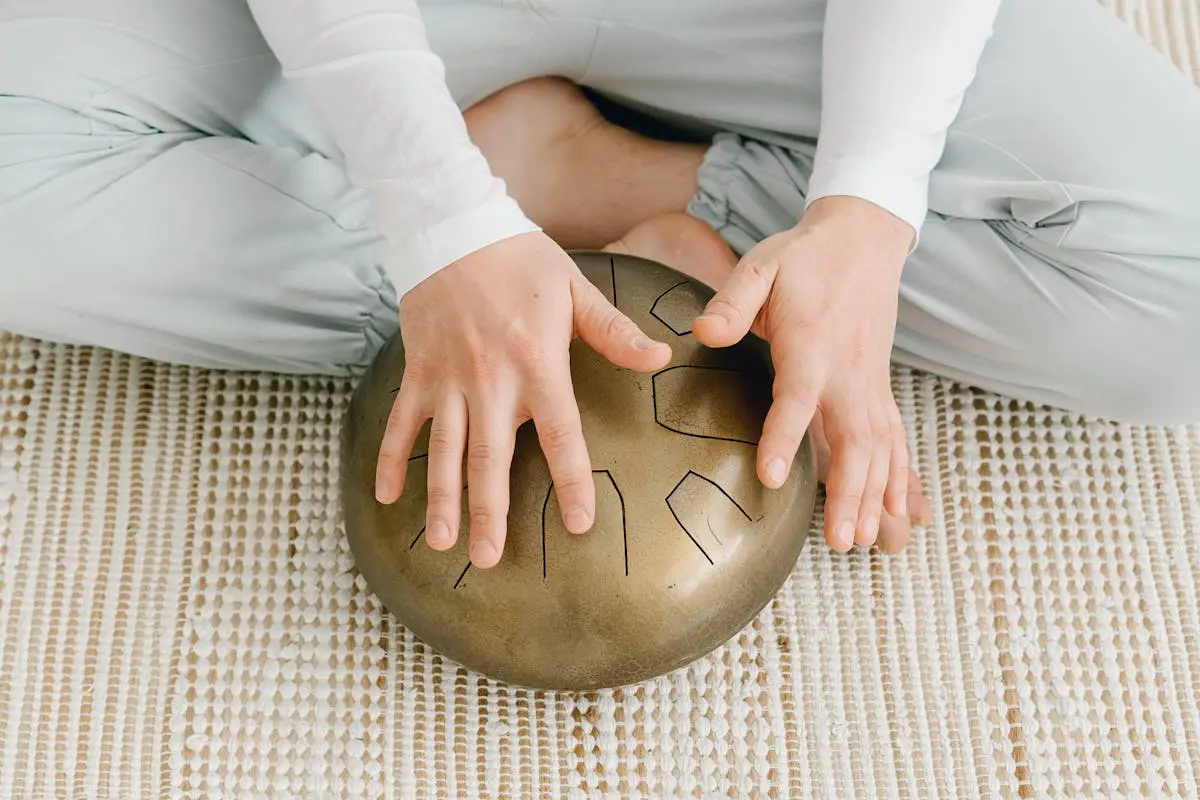
1. Discovering the Power of Vibrational Frequencies
Have you ever felt a deep sense of peace wash over you when listening to certain sounds or music? Many believe in the transformative power of vibrational frequencies in spiritual sound healing. These frequencies are thought to have the ability to resonate with our own inner vibrations, bringing about a sense of harmony and balance. Through ancient practices and modern research, people are discovering the profound impact sound can have on our well-being.
The beauty of vibrational frequencies lies in their ability to transcend language and cultural barriers. Sound has a universal quality that can speak to the depths of our souls without the need for words. Whether it's the soothing hum of a Tibetan singing bowl or the rhythmic beat of a shamanic drum, these sounds have the potential to cut through the noise of everyday life and connect us to something greater than ourselves.
Exploring the world of vibrational frequencies opens up a realm of possibilities for personal growth and healing. It invites us to listen not just with our ears, but with our entire being. By attuning ourselves to the subtle vibrations around us, we may find a path to inner peace and transformation that transcends the ordinary. The journey into the realm of spiritual sound healing is one of self-discovery and connection with the universal energies that surround us.
As we delve deeper into the mysteries of vibrational healing, we start to realize that the power of sound goes far beyond simple auditory pleasure. It has the capacity to recalibrate our energy fields, clear blockages, and restore harmony to mind, body, and spirit. The path to self-realization through sound may seem esoteric to some, but for those who have experienced its profound effects, it is a journey worth taking.
2. Journey to Inner Harmony Through Tibetan Singing Bowls
Imagine yourself in a serene space, surrounded by the gentle resonance of Tibetan singing bowls. These ancient instruments are not just musical tools but powerful vessels of healing vibrations. The journey to inner harmony through Tibetan singing bowls is a meditative experience that can transport you to a place of deep relaxation and spiritual connection.
The tones produced by Tibetan singing bowls are believed to synchronize with the frequencies of the chakras, our body's energy centers. When played mindfully, these bowls can help realign and balance the chakras, promoting a sense of well-being and harmony. Each reverberation carries a message of peace and renewal, inviting us to release tensions and embrace tranquility.
In the modern world filled with constant stimuli and distractions, the practice of listening to Tibetan singing bowls offers a retreat into stillness. As the sound waves wash over us, we are encouraged to let go of stress and negative emotions, creating space for inner peace to take root. The journey with Tibetan singing bowls is a reminder that harmony is not just a concept but a tangible experience that can be felt within the core of our being.
3. Healing Through the Shamanic Drumming Experience
Embark on a shamanic journey through the rhythmic beats of the drum, connecting with ancient traditions that tap into the healing power of sound. Shamanic drumming is an immersive experience that transcends ordinary listening; it's a call to the primal rhythms of the earth and the soul. Through the heartbeat of the drum, we are reminded of our connection to the heartbeat of the universe.
The repetitive patterns of shamanic drumming have the ability to induce altered states of consciousness, leading to deep inner exploration and healing. As the drumming reverberates through our being, it can awaken dormant energies and facilitate profound spiritual insights. The experience of shamanic drumming is not just auditory but visceral, stirring something primal within us that yearns for connection and wholeness.
By immersing ourselves in the shamanic drumming experience, we enter a space where time loses its grip, and the boundaries between the physical and spiritual worlds blur. It is in this liminal state that profound healing and transformation can occur, as we journey through the depths of our subconscious and discover hidden truths waiting to be illuminated. The shamanic drumming experience is a powerful reminder of the ancient wisdom that resides within each of us.
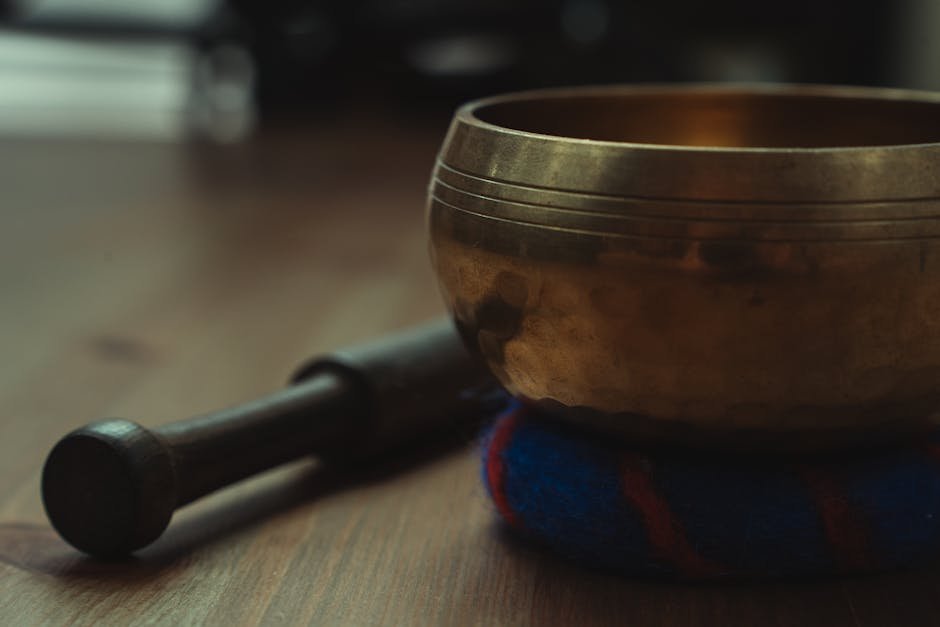
The Key Benefits of Integrating Vibrational Sound Therapy into Your Daily Routine
Immerse yourself in the soothing world of vibrational sound therapy, where the resonance of sound waves has the power to heal and restore balance. Discover the transformative effects this practice can bring to your daily routine, from enhancing mindfulness to boosting mental well-being. Explore how incorporating vibrational sound therapy can elevate your self-care regimen and bring harmony to your life.
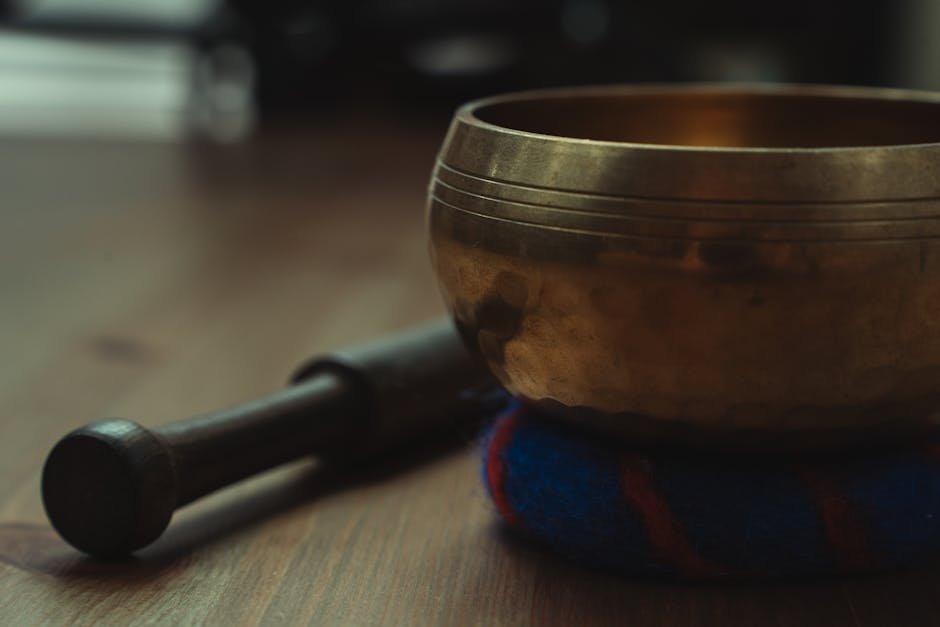
Exploring the Science Behind Vibrational Sound Therapy
Vibrational sound therapy operates on the principle that every cell in our body has a natural frequency. By exposing the body to specific sound waves, this therapy aims to synchronize these frequencies, promoting a state of harmony and healing. The science behind vibrational sound therapy lies in its ability to resonate with the body's cells, encouraging them to realign and vibrate at their optimal frequencies.
Research has shown that sound therapy can positively impact physiological functions, such as reducing stress hormones and enhancing immune response. By understanding the underlying science of how sound affects our bodies at a cellular level, we gain insight into the profound benefits that vibrational sound therapy can offer for our overall well-being.
The healing properties of sound have been recognized for centuries across various cultures, highlighting the universal appeal and efficacy of sound therapy. Whether through the use of singing bowls, tuning forks, or gongs, the science of vibrational sound therapy continues to intrigue and inspire practitioners and enthusiasts alike.
As we delve deeper into the scientific principles that underpin vibrational sound therapy, we uncover a world where sound becomes a powerful tool for holistic healing. The intricate interplay between sound frequencies and our body's natural resonance unveils a new dimension of well-being that is both fascinating and transformative.
Enhancing Mindfulness through Vibrational Sound Therapy Practices
Mindfulness is a cornerstone of vibrational sound therapy, offering a pathway to deep relaxation and inner awareness. The meditative quality of sound vibrations creates a space for practitioners to center themselves, quiet the mind, and cultivate a sense of presence in the moment.
Through regular practice of vibrational sound therapy, individuals can develop a heightened sense of focus and clarity, allowing them to navigate daily stressors with greater ease and composure. The harmonizing effect of sound on the mind promotes a state of mindfulness that transcends the ordinary, fostering a profound connection to the present moment.
As sound waves envelop the listener in a cocoon of tranquility, mindfulness emerges as a natural outcome of this sensory experience. The gentle hum of vibrations gently guides individuals into a state of deep relaxation, facilitating a journey towards inner peace and emotional equilibrium.
The Impact of Vibrational Sound Therapy on Mental Well-being
The transformative impact of vibrational sound therapy on mental well-being is profound, offering a sanctuary of calm in the midst of life's chaotic rhythms. Sound has the unique ability to penetrate the depths of our psyche, soothing anxieties, and alleviating mental fatigue.
Sound therapy acts as a balm for the mind, harmonizing neural pathways and promoting a sense of emotional balance and clarity. By engaging with the therapeutic sounds of vibrational therapy, individuals can experience a shift in their mental state, fostering a renewed sense of vitality and inner peace.
The gentle vibrations of sound therapy create a therapeutic resonance that transcends the confines of traditional healing modalities, offering a holistic approach to mental well-being. As the calming tones wash over the mind, a sense of serenity and tranquility envelops the individual, nurturing a state of mental wellness.
>Incorporating Vibrational Sound Therapy into Your Daily Self-Care Routine
Harmonizing Your Life with Vibrational Sound Therapy
As you embrace the harmonious vibrations of sound therapy, remember that the key to its benefits lies in the deep connection between sound and healing. By integrating this practice into your daily routine, you invite a symphony of wellness into your life, resonating with your mind, body, and spirit. Let the therapeutic sounds guide you towards inner peace and holistic well-being.
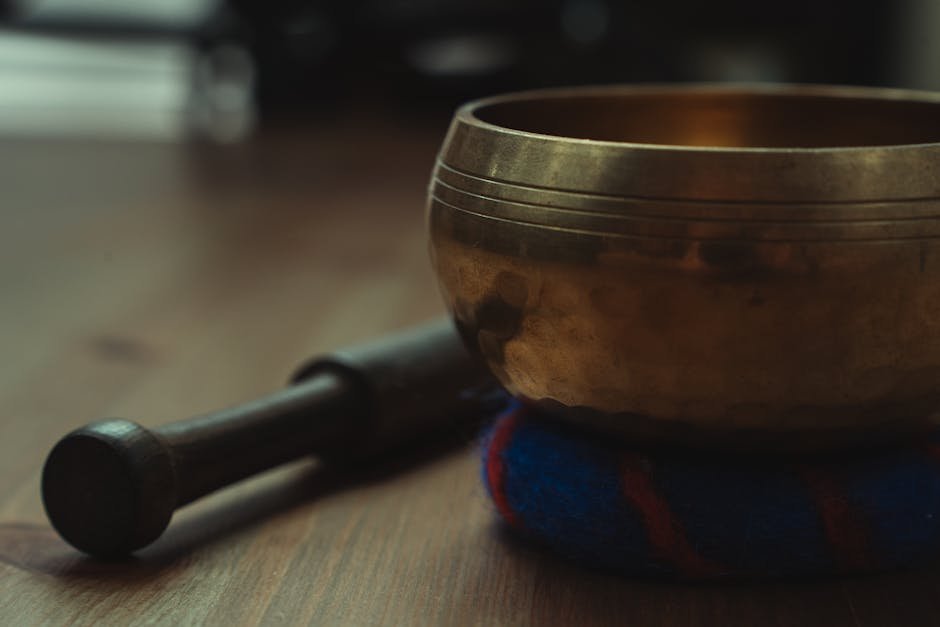
How Can Sound Help Achieve Authentic Living?
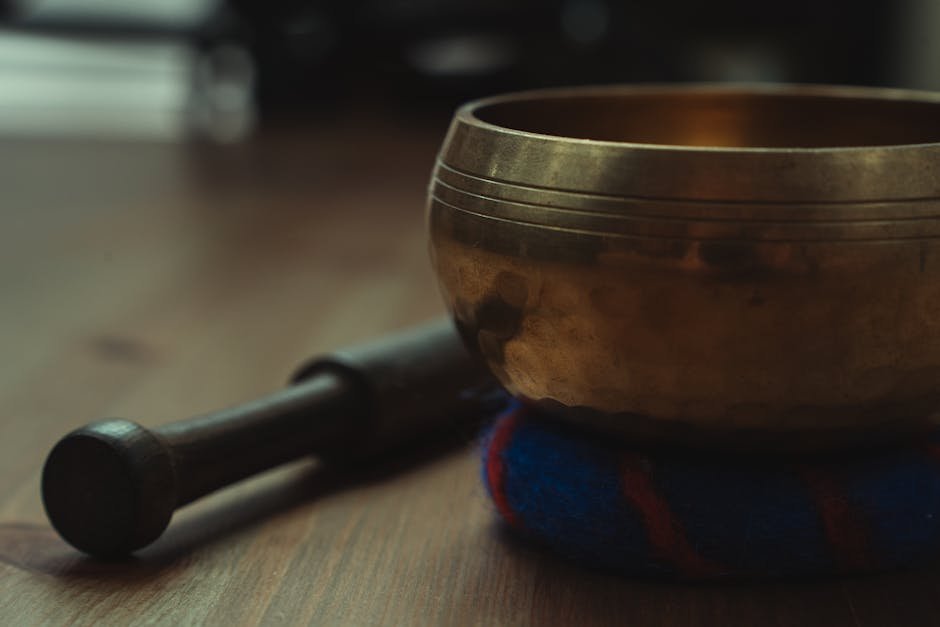
The Role of Sound in Authentic Living
Authentic living involves being true to oneself and aligning actions with core values. Sound plays a crucial role in achieving authenticity by creating environments that resonate with our inner being. Whether it's the calming sound of nature or the energizing beats of music, sound has the power to influence our emotions and thoughts, guiding us towards a more authentic way of living.
In the quest for authenticity, sound acts as a mirror, reflecting our inner state and helping us connect with our deepest emotions. By immersing ourselves in soundscapes that uplift and inspire, we can tap into our true selves, fostering a sense of belonging and purpose. From the gentle hum of a forest to the rhythmic chants of a meditation session, sound has the ability to ground us in the present moment, paving the way for authentic living.
Sound not only has the power to influence our moods and behaviors but also to enhance self-awareness and introspection. By paying attention to the sounds that surround us, we can cultivate mindfulness and deepen our understanding of who we are. The harmonious vibrations of sound can serve as a catalyst for self-discovery, nudging us towards a more authentic expression of ourselves in the world.
To achieve authentic living, one must engage with sound consciously, using it as a tool for self-exploration and personal growth. By curating our auditory experiences and choosing sounds that resonate with our inner truth, we can create a supportive sonic landscape that nurtures authenticity. Whether through sound therapy, music appreciation, or simply attuning to the sounds of daily life, embracing sound can lead us closer to living authentically.
Sound is not just a background element in our lives; it is a powerful force that shapes our perceptions and shapes our reality. By harnessing the transformative potential of sound, we can cultivate environments that empower us to live in alignment with our values and aspirations. Embracing the richness of sound in all its forms opens up a pathway to authentic living, where resonance and harmony merge to create a life that is truly ours.
In the symphony of existence, sound serves as both conductor and orchestra, guiding us towards a more genuine way of being. By listening deeply to the sounds that surround us, we can attune ourselves to the rhythms of life and find our unique place within the grand composition of the universe. Let sound be your companion on the journey to authenticity, harmonizing your inner melody with the external world to create a life that sings with truth and purpose.
Creating a Sound Environment for Authentic Living
Creating a sound environment that supports authentic living involves a deliberate curation of auditory stimuli that resonate with your inner landscape. From the gentle rustle of leaves in the wind to the soft hum of a rain shower, each sound has the potential to evoke feelings of peace, joy, or inspiration, shaping your experience of the world around you.
In today's fast-paced world, where noise pollution is rampant, carving out spaces of tranquility becomes essential for fostering authenticity. Designing your living and working spaces with sound in mind can help create havens of calm amidst the chaos, allowing you to retreat into environments that nurture your soul and restore your sense of self.
Soundscapes can be tailored to suit your unique preferences and needs, whether you seek solace in the gentle melodies of classical music or the invigorating rhythms of tribal drums. By curating a sonic environment that reflects your inner world, you can cultivate a sense of coherence and alignment, harmonizing your external surroundings with your internal values and desires.
The process of creating a sound environment for authentic living extends beyond mere auditory aesthetics; it is an intentional practice of mindfulness and self-care. By being mindful of the sounds you invite into your space, you can craft a sensory tapestry that supports your well-being and fosters a deeper connection to your authentic self. Embrace sound as a partner in your journey towards living with greater authenticity and purpose.
Sound has the remarkable ability to shape our emotional landscape and influence our perceptions of reality. By harnessing the power of sound to create environments that resonate with our true essence, we can design spaces that empower us to live authentically and in harmony with our innermost desires. Let the symphony of sound be your guide as you fashion a reality that echoes with the essence of who you are meant to be.
Utilizing Sound for Mindfulness and Emotional Well-being
Mindfulness, the practice of being fully present and engaged in the moment, can be greatly enhanced through the use of sound as a focal point. By directing our attention to the sounds that surround us, we can anchor ourselves in the here and now, cultivating a sense of inner calm and clarity that paves the way for emotional well-being.
Sound serves as a powerful tool for regulating emotions and promoting relaxation, with certain frequencies and melodies having the ability to soothe the mind and body. Whether through the gentle lullaby of waves crashing on the shore or the rhythmic cadence of a heartbeat, sound has the capacity to induce states of tranquility and balance, allowing us to navigate life's challenges with greater resilience and grace.
In the realm of emotional well-being, sound therapy has emerged as a holistic approach to restoring harmony and equilibrium within the individual. Through targeted sound vibrations and frequencies, practitioners of sound therapy aim to realign the body's energy centers, promoting a sense of wholeness and vitality that extends to the emotional and spiritual realms.
By incorporating sound practices such as chanting, toning, or singing bowls into your daily routine, you can create moments of sonic nourishment that uplift the spirit and elevate mood. The vibrational quality of sound acts as a tonic for the soul, resonating with our inner frequencies to foster emotional balance and well-being. Embrace the gift of sound as a gateway to mindfulness, emotional healing, and authentic living.
Sound, with its ability to transcend language and cultural barriers, has the power to evoke universal emotions and sentiments that speak to our shared humanity. By harnessing the emotive potential of sound to express and process our innermost feelings, we can embark on a journey of emotional exploration and growth, deepening our capacity for empathy, connection, and self-understanding.
In the tapestry of the human experience, sound threads itself through the fabric of our emotional landscape, weaving together moments of joy, sorrow, and everything in between. By embracing sound as a companion on the path to emotional well-being, we open ourselves to a world of sonic possibilities that hold the key to unlocking our truest selves and living authentically in a harmonious symphony of sound and spirit.

Integrating Vibrational Sound Therapy with Mindfulness for Stress Relief
In a harmonious blend of ancient healing practices and modern mindfulness techniques, the fusion of vibrational sound therapy with mindfulness offers a unique avenue for stress relief and holistic wellness. By delving into the realms of sound and mindfulness, individuals can explore new dimensions of relaxation and inner balance, paving the way for a profound sense of tranquility and emotional well-being.<br>Let's journey together through the transformative potential of integrating vibrational sound therapy with mindfulness practices.

Exploring the Power of Vibrational Sound Therapy
Vibrational sound therapy, also known as sound healing, harnesses the power of sound frequencies to promote relaxation, reduce stress, and restore harmonic resonance within the body. The fundamental principle underlying this ancient practice is the concept that everything in the universe, including our bodies, is in a constant state of vibration. By exposing individuals to specific sound frequencies through instruments such as singing bowls, tuning forks, and drums, vibrational sound therapy aims to harmonize these vibrations and facilitate healing at a cellular level.
The therapeutic sounds emitted during a vibrational sound therapy session resonate with the body's natural frequencies, inducing a profound state of relaxation and deep inner calm. As the vibrations permeate through the body, they help release tension, alleviate energetic blockages, and restore balance to the mind, body, and spirit. This holistic approach to healing not only addresses physical ailments but also nourishes the emotional and spiritual facets of an individual, fostering a sense of holistic well-being.
Moreover, vibrational sound therapy is not limited to its effects on the individual's energy field; it also extends its healing vibrations to the surrounding environment. The resonance created by the interplay of sounds emanating from the instruments can cleanse and energize physical spaces, creating an atmosphere conducive to relaxation, meditation, and overall well-being. Through the transformative power of sound, vibrational sound therapy offers a gateway to harmonizing one's inner landscape and external surroundings.
The Synergy Between Sound and Mindfulness Practices
When combined with mindfulness practices, vibrational sound therapy transcends its role as a relaxation technique to become a catalyst for deep introspection and self-awareness. Mindfulness, with its emphasis on present-moment awareness and non-judgmental acceptance, complements the therapeutic effects of sound vibrations by grounding individuals in the here and now.
By integrating mindfulness into a vibrational sound therapy session, individuals can hone their attention on the subtleties of the sound experience, allowing them to deepen their awareness of bodily sensations, emotions, and thoughts that arise during the session. This heightened sense of mindfulness enables individuals to observe their inner landscape with clarity and equanimity, fostering a sense of acceptance and inner peace.
Furthermore, the fusion of sound therapy with mindfulness cultivates a profound sense of connection between the individual, the sound vibrations, and the present moment. As individuals attune their awareness to the interplay of sound frequencies within their being, they develop a harmonious relationship with the therapeutic vibrations, allowing for a synergistic blend of healing energies to flow seamlessly through body, mind, and spirit.
In essence, the integration of vibrational sound therapy with mindfulness practices serves as a transformative gateway to self-discovery, emotional healing, and stress relief. By immersing oneself in the symphony of sound and mindfulness, individuals can embark on a holistic journey of inner exploration, leading to a state of profound relaxation, balance, and rejuvenation.
Embracing the symphony of vibrational sound therapy intertwined with the mindfulness journey proves to be a potent recipe for alleviating stress and nurturing inner peace. By attuning ourselves to the therapeutic vibrations and cultivating mindfulness in our daily lives, we open ourselves to a realm of serenity and healing that transcends the boundaries of conventional stress relief techniques.<br>With vibrational sound therapy and mindfulness as our guides, we embark on a path towards harmonizing the mind, body, and spirit.

The Science Behind Holistic Sound Therapy: How Vibrations Heal
Introduction to Holistic Sound Therapy
Holistic Sound Therapy is a form of healing that utilizes the power of sound vibrations for overall well-being. This therapy focuses on the concept that sound can positively impact mental, emotional, and physical health. Sound vibrations are believed to help restore balance in the body, promoting relaxation and reducing stress. In Holistic Sound Therapy, various tools like singing bowls, tuning forks, and gongs are used to create soothing sounds that can facilitate deep relaxation and healing.

The Power of Vibrations in Healing
Vibrations play a crucial role in the healing process. When sound waves interact with our bodies, they can positively impact our physical and emotional well-being. Here's how vibrations are used in holistic sound therapy to promote healing:
Sound vibrations can help relax the mind and body, reducing stress and anxiety.
Vibrations have the ability to balance energy levels within the body, promoting overall wellness.
Different frequencies of vibrations are believed to resonate with different organs and systems in the body, aiding in their healing.
By harnessing the power of vibrations, holistic sound therapy aims to restore harmony and balance to the body, enhancing the healing process.
History of Holistic Sound Therapy
Sound therapy has been used for centuries in various cultures around the world for healing purposes. The ancient Greeks, Egyptians, and Native Americans all recognized the power of sound vibrations to promote healing. In modern times, holistic sound therapy has gained popularity as a natural way to address physical and emotional imbalances. A key principle of this therapy is that sound frequencies can affect our bodies at a cellular level, promoting relaxation, reducing stress, and fostering overall well-being.
Understanding the Science Behind Sound Therapy
Sound therapy uses vibrations to help the body heal and reduce stress. When sound waves enter our bodies, they can positively affect our mental and physical well-being. Frequencies from various sound sources, like singing bowls or tuning forks, can help realign our body's energies. Research suggests that sound therapy can improve mood, sleep, and even immune function. Understanding how sound vibrations work within the body is key to harnessing the potential benefits of this holistic approach.
Benefits of Holistic Sound Therapy
Holistic sound therapy can help reduce stress and anxiety, improve sleep quality, enhance concentration, and promote relaxation. Some benefits of this therapy include:
Stress reduction
Improved sleep quality
Enhanced concentration
Promotion of relaxation
These benefits arise from the vibrations produced during sound therapy sessions, which help to create a sense of calmness and harmony within the body and mind.
Different Modalities and Techniques Used
Sound therapy encompasses various modalities and techniques that use sound vibrations to promote healing. Here are some common methods used in holistic sound therapy:
Tuning Forks: They are tools that create specific frequencies to recalibrate energy fields.
Singing Bowls: These bowls produce soothing sounds that resonate with different chakras in the body.
Drumming: Rhythmic drumming can induce a meditative state and facilitate emotional release.
Voice Therapy: Chanting, mantras, and toning are vocal techniques used to harmonize the body's energy.
Gong Therapy: The powerful vibrations of gongs can help balance the body's energy centers.
Each modality has its unique benefits and applications, contributing to the overall effectiveness of holistic sound therapy in promoting physical and emotional well-being.
How Sound Therapy Can Help in Healing
Sound therapy involves using different sounds to improve one's physical and mental well-being. Here's how it can help you in healing:
Sound therapy can reduce stress and anxiety by promoting relaxation.
It can help with pain management by stimulating the release of endorphins, the body's natural painkillers.
Sound therapy has been shown to improve sleep quality by calming the mind and body.
By using specific frequencies and vibrations, sound therapy can restore balance to the body's energy centers.
Incorporating Sound Therapy into Daily Wellness Practices
Sound therapy can easily be included in your everyday routine for well-being. You can start by setting aside a few minutes each day to listen to calming sounds or music. This can help reduce stress and promote relaxation. Additionally, you may explore singing bowls, tuning forks, or sound baths for a more immersive experience. Experimenting with various sounds can help you find what resonates with you the most and brings you the most comfort and healing.
Case Studies and Success Stories
In various case studies, individuals reported reduced stress levels, improved sleep quality, and increased feelings of relaxation after holistic sound therapy sessions. Success stories include individuals experiencing relief from chronic pain, heightened concentration, and enhanced emotional well-being. One notable case study showcased a significant decrease in anxiety levels and an overall sense of calmness after regular sound therapy sessions.
Embracing Holistic Sound Therapy for Overall Wellbeing
Holistic sound therapy can be a beneficial addition to your overall wellbeing. By embracing this therapy, you can experience relaxation, reduced stress levels, and improved mental clarity. The vibrations produced during sound therapy sessions help to align your body's energy and promote healing from within. Incorporating holistic sound therapy into your routine can contribute to a more balanced and harmonious lifestyle.

How Can Sound Healing Support Leadership Development?
Embark on a journey where harmonic frequencies blend with leadership to cultivate professional development and growth.

Understanding Sound Healing
Sound healing is a practice that uses vibrations, frequencies, and sounds to create a therapeutic effect on the mind, body, and spirit. By immersing oneself in specific tones and rhythms, individuals can achieve deep relaxation, reduce stress levels, and enhance overall well-being. Sound healing techniques vary from the use of singing bowls, tuning forks, drums, or vocal chants, each resonating uniquely to resonate with different energy centers within the body.
Through sound healing, individuals can access altered states of consciousness, which can lead to profound insights, emotional release, and a sense of inner peace. These sonic vibrations have the power to cleanse negative energy, align chakras, and promote healing on a holistic level. By incorporating sound healing into daily practices, individuals can achieve mental clarity, emotional balance, and spiritual harmony.
The combination of ancient wisdom and modern science in sound healing provides a comprehensive approach to wellness that integrates traditional knowledge with contemporary research. Studies have shown the positive impact of sound therapy on reducing anxiety, improving sleep quality, and enhancing cognitive function. By embracing the therapeutic potential of sound, individuals can embark on a transformative journey towards self-discovery and personal growth.
Sound healing serves as a powerful tool for self-care, allowing individuals to tune into their inner rhythm and connect with their authentic self. The resonance of sound not only calms the mind but also energizes the spirit, fostering a sense of renewal and vitality. Through the harmonious interplay of frequencies, sound healing facilitates a deep sense of relaxation, creativity, and receptivity, creating an optimal environment for personal transformation and growth.
The profound impact of sound healing extends beyond the individual level to collective settings, such as workplaces and leadership development programs. By harnessing the therapeutic potential of sound, organizations can create a harmonious environment that cultivates creativity, collaboration, and innovation. Integrating sound healing practices into leadership training programs can enhance emotional intelligence, communication skills, and resilience, empowering leaders to navigate challenges with clarity and compassion.
Exploring Leadership Development
Leadership development is a continuous journey of self-discovery, growth, and refinement that aims to cultivate the skills, qualities, and mindset necessary for effective leadership. By investing in leadership development, individuals can enhance their ability to inspire and influence others, lead with integrity and purpose, and adapt to the evolving demands of the modern workplace. Sound healing offers a unique approach to leadership development by integrating holistic well-being practices with traditional leadership training.
Effective leadership requires a harmonious balance of cognitive abilities, emotional intelligence, and interpersonal skills. Sound healing complements traditional leadership development strategies by nurturing these essential qualities through its therapeutic sound vibrations. By incorporating sound healing into leadership development programs, organizations can create a supportive environment that fosters resilience, empathy, and effective communication among leaders and team members.
Sound healing provides leaders with a powerful tool to enhance self-awareness, emotional regulation, and stress management, essential components of effective leadership. By engaging in sound healing practices, leaders can cultivate mindfulness, presence, and clarity of thought, enabling them to make sound decisions and lead with authenticity and compassion. The meditative qualities of sound healing create a space for reflection, introspection, and personal growth, empowering leaders to navigate challenges with grace and wisdom.
Benefits of Sound Healing in Leadership
The integration of sound healing practices in leadership development programs offers a multitude of benefits for aspiring and established leaders alike. By incorporating sound healing sessions into leadership retreats, workshops, or team-building activities, organizations can foster a culture of well-being, resilience, and collaboration. Sound healing sessions provide a space for leaders to recharge, recenter, and rejuvenate, enhancing their capacity to lead with clarity, purpose, and compassion.
Sound healing enhances the emotional intelligence of leaders, enabling them to connect empathetically with their team members, inspire trust and motivation, and cultivate a positive work environment. The therapeutic sounds not only reduce stress and anxiety but also promote a sense of harmony, unity, and mutual understanding within the organizational context. By creating a harmonious work environment through sound healing, leaders can foster creativity, innovation, and collective success.
Sound healing contributes to the holistic well-being of leaders by addressing mental, emotional, and spiritual aspects of their lives. The vibrational frequencies of sound therapy promote relaxation, clarity of mind, and emotional balance, enabling leaders to make conscious decisions, build meaningful relationships, and lead with authenticity. By embracing sound healing as a tool for self-care and personal growth, leaders can cultivate a resilient mindset, positive outlook, and sustainable success in their professional endeavors.
Leaders who engage in sound healing practices also experience enhanced focus, concentration, and creativity, which are essential for effective decision-making, problem-solving, and strategic planning. The meditative qualities of sound healing help leaders tap into their intuition, creativity, and inner wisdom, empowering them to lead with vision, purpose, and innovation. By incorporating sound healing into leadership development initiatives, organizations can nurture a culture of mindfulness, creativity, and continuous learning among their leadership team.
Incorporating Sound Healing Practices
Incorporating sound healing practices into leadership development programs involves creating a supportive, inclusive, and transformative space for leaders to explore the healing power of sound. By introducing sound healing sessions, workshops, or seminars into leadership training initiatives, organizations can provide leaders with an opportunity to experience the profound benefits of sound therapy firsthand. Sound healing sessions can be tailored to address specific leadership challenges, such as stress management, communication skills, or decision-making abilities.
Leaders can benefit from incorporating sound healing rituals into their daily routines to enhance focus, creativity, and emotional well-being. Simple practices, such as listening to calming music, chanting affirmations, or using singing bowls during meditation, can help leaders cultivate a sense of inner peace, clarity, and purpose. By integrating sound healing into their personal development journey, leaders can optimize their potential, maximize their impact, and lead with authenticity and compassion.
Organizations can create dedicated spaces for sound healing within the workplace, such as meditation rooms, relaxation pods, or quiet zones, to support the well-being and productivity of their leadership team. By offering sound healing resources and tools, such as guided meditation audios, sound baths, or mindfulness workshops, organizations can empower their leaders to prioritize self-care, holistic well-being, and emotional resilience. The integration of sound healing practices into the organizational culture reinforces a commitment to employee wellness, work-life balance, and personal growth.
Harmonizing Leadership Through Sound
Experience the transformative power of sound healing in nurturing leadership qualities and fostering personal and professional growth. Elevate your leadership journey with the harmonious support of sound frequencies.

Where Did Sound Healing Come From? A Brief History of an Ancient Healing Practice
Imagine a world where vibrations and sounds were not just heard, but also harnessed for their healing powers. Sound healing, an ancient practice rooted in civilizations throughout history, continues to captivate modern wellness seekers. From the mystical rituals of ancient civilizations to the soothing sound bath meditations of today, let's journey through the rich tapestry of history to uncover the origins of sound healing.

Exploring the Roots of Sound Healing Practices
The origins of sound healing can be traced back to ancient cultures like Egypt, where sound was believed to have divine properties capable of restoring balance and health. Ancient Egyptians utilized vowel sounds, chants, and instruments like the sistrum—a percussion instrument—to create healing vibrations. This harmonic approach to well-being exemplified the profound connection between sound and the human spirit.
In India, the practice of Nada Yoga, or the yoga of sound, dates back thousands of years. Nada Yoga focuses on the transformational power of sound vibrations and the use of mantras to harmonize the mind, body, and soul. This ancient wisdom views sound as a pathway to the divine within oneself, echoing the universal resonance found in sound healing practices today.
Ancient Chinese civilizations also embraced the therapeutic nature of sound. Traditional Chinese medicine incorporated healing sounds known as 'six healing qigong sounds.' These sounds, associated with specific organs in the body, were believed to cleanse and balance internal energy, promoting overall well-being. The intricate relationship between sound and healing was interwoven into the fabric of daily life in ancient China.
The Mayans, known for their advanced understanding of astronomy and natural cycles, revered sound as a powerful medium for spiritual transformation. Mayan ceremonies often featured sacred instruments like drums and flutes, producing rhythmic vibrations believed to induce altered states of consciousness and commune with the divine. Through their intricate rituals, the Mayans recognized the profound impact of sound on the human psyche and spirit.
From the sacred chants of Tibetan monks to the melodic tones of Native American flutes, indigenous cultures worldwide have embraced sound as a gateway to the spiritual realm. The reverence for sound and its healing properties transcends time and culture, underscoring the universality of sound healing as a transformative practice rooted in ancient wisdom.
Ancient Civilizations and Sound Vibration Healing
The intricate art of sound vibration healing resonated deeply in ancient civilizations, where the profound impact of sound on the human body and consciousness was widely acknowledged. In Greece, the father of modern medicine, Hippocrates, recognized the healing potential of music and sound. He employed flute music and other melodic sounds to treat various ailments, laying the foundation for sound therapy practices that endure to this day.
The Roman Empire also embraced sound as a therapeutic modality, with music being used in healing temples to restore emotional balance and physical well-being. The soothing melodies and rhythmic beats were thought to align the body's energies and promote relaxation, illustrating the pervasive influence of sound vibrations in ancient healing practices.
In ancient Mesopotamia, the Sumerians and Babylonians recognized the power of sound for healing purposes. The use of incantations, hymns, and sacred sounds in religious ceremonies was believed to invoke divine forces and bring about healing and protection. These ancient cultures viewed sound as a potent tool for maintaining harmony within the body and soul, a belief that echoes through the annals of history.
The Evolution of Sound Bath Meditation
Fast forward to the modern era, and we witness the evolution of sound healing practices into transformative modalities like sound bath meditation. Sound baths, immersive experiences where participants bathe in sound waves produced by instruments like crystal singing bowls and gongs, have gained popularity for their profound relaxation and meditative benefits.
Sound bath meditation is rooted in the ancient practices of sound healing, offering a contemporary approach to holistic well-being. The vibrational frequencies emitted during a sound bath session are believed to resonate with the body's cells, promoting deep relaxation, stress reduction, and energetic realignment. As individuals immerse themselves in the sonic tapestry of sound, they embark on a journey of inner exploration and rejuvenation.
The therapeutic effects of sound bath meditation extend beyond physical relaxation to emotional release and mental clarity. By attuning to the harmonious vibrations of sound, participants can experience a profound shift in consciousness, transcending everyday stressors and aligning with a more peaceful state of being. The resurgence of sound bath meditation showcases the timeless efficacy of sound healing in nurturing holistic wellness.
Sound Healing in Modern Times
In contemporary times, the practice of sound healing continues to flourish, offering a holistic approach to well-being in a fast-paced world. Sound healers and practitioners draw upon ancient techniques and instruments to create therapeutic soundscapes that support relaxation, rejuvenation, and energetic balance.
From individual sound healing sessions to group sound bath experiences, modern practitioners harness the power of sound vibrations to address a wide range of physical, emotional, and spiritual imbalances. The melodic tones and healing frequencies utilized in sound healing modalities resonate with the innate wisdom of the body, facilitating a return to harmony and vitality.
Sound healing has also integrated with modern technology, allowing for the creation of personalized sound therapy sessions and immersive audio experiences. With the advent of sound healing apps, binaural beats, and frequency-tuned music, individuals can access the therapeutic benefits of sound vibrations anytime, anywhere, ushering in a new era of convenience and accessibility in the realm of holistic wellness.
The harmonizing melodies of sound healing continue to echo through modern wellness practices, reminding us of the profound lineage of ancient wisdom that informs our understanding of the healing power of sound. As we embrace the therapeutic potential of sound vibrations in our contemporary lives, we honor the enduring legacy of sound healing as a timeless modality for restoring balance, promoting wellness, and nurturing the harmonious integration of mind, body, and spirit.
Harmonizing Ancient Traditions with Modern Practices
As we reflect on the profound impact of sound healing throughout the ages, we are reminded of the timeless resonance of ancient wisdom. The echoes of sound vibration healing that reverberate through history serve as a testament to the enduring power of harmonious frequencies. Today, in our fast-paced world, the resurgence of sound healing offers a sanctuary of tranquility amidst the chaos, inviting us to reconnect with the ancient rhythms that have stood the test of time.

Why do I feel like crying after a sound bath meditation?
Many people are surprised when they cry during or after a sound bath meditation.
Crying can be a normal response. For some people, a sound bath creates space to slow down, become present, and connect with emotions, stress, or experiences that may have been pushed aside during the busyness of daily life.
Tears do not necessarily mean something is wrong. Often, they are simply part of the body's natural process of release.

Why Might I Cry During a Sound Bath?
Most of us spend our days focused on what needs to get done next.
Work deadlines.
Family responsibilities.
Decisions.
Notifications.
The constant pressure to keep moving.
A sound bath creates a rare opportunity to pause.
When the mind becomes quieter and the body begins to relax, emotions that have been sitting beneath the surface may become more noticeable.
For some people, this can feel like relief.
For others, it may feel like sadness, gratitude, exhaustion, or something that is difficult to put into words.
Can Sound Meditation Release Stored Emotions?
Many somatic approaches recognize that emotions and stress are not only mental experiences. They are also experienced through the body.
Even after a stressful situation has passed, people may continue carrying tension, emotional weight, or unresolved experiences physically.
During a sound bath, deep relaxation and awareness can create an opportunity to notice and process what has been held beneath the surface.
This does not mean every emotional response has a specific meaning. It simply means that slowing down sometimes allows us to feel what we have not had time or space to feel.
Is Crying During a Sound Bath Normal?
Yes.
Some people cry.
Some people fall asleep.
Some people feel deeply relaxed.
Some people experience a sense of mental clarity.
Some people notice no emotional response at all.
There is no "right" way to experience a sound bath.
Every person's experience is different.
Does Crying Mean Something Is Wrong?
No.
Crying during a sound bath does not automatically mean you are processing trauma, uncovering a major issue, or experiencing something negative.
Sometimes tears are connected to grief.
Sometimes they are connected to stress.
Sometimes they are connected to relief.
Many people spend so much time holding everything together that being given permission to simply rest can feel unexpectedly emotional.
Why Do Some People Cry Even When They Aren't Sad?
Not all tears come from sadness.
People may cry because they feel:
relieved
grateful
safe
exhausted
moved by the experience
connected to themselves in a new way
For people who are constantly caring for others, solving problems, or carrying responsibility, a sound bath may be one of the few moments where nothing is being asked of them.
That experience alone can be powerful.
What Should I Do After a Sound Bath If I Feel Emotional?
If emotions come up, try to respond with curiosity rather than judgment.
Helpful practices may include:
drinking water
taking a walk
journaling
resting
spending time in nature
talking with someone you trust
You do not need to immediately figure out what the experience meant.
Sometimes the most supportive response is simply allowing yourself to feel what you're feeling.
How Blue Flow Sound Approaches Emotional Release
At Blue Flow Sound, we believe there is nothing to fix about having emotions.
Many of the people who attend our classes are thoughtful, capable, and deeply responsible. They spend much of their lives managing deadlines, supporting others, solving problems, and carrying a significant mental load.
Sometimes what surfaces during a sound meditation is not a hidden emotion.
Sometimes it is simply the relief of no longer having to carry everything for a little while.
Our intention is not to force an emotional experience. It is to create a space where people can slow down, reconnect with themselves, and experience whatever they need in that moment.
Frequently Asked Questions
Is crying during a sound bath a bad sign?
No. Crying is a common emotional response for some participants and is not usually a cause for concern.
Why did I cry even though I wasn't sad?
Tears can be connected to many emotions, including relief, gratitude, exhaustion, or feeling deeply moved.
What if I don't cry during a sound bath?
That is completely normal. Every person's experience is different.
Will I cry every time I attend?
Not necessarily. Emotional responses vary from session to session.
Related Resources

The Science Behind Sound Therapy Meditation and Its Role in Reducing Stress
What is sound therapy meditation?
Sound therapy meditation is a practice that uses sound frequencies to promote relaxation and reduce stress levels. This type of meditation involves listening to various sounds, such as singing bowls, gongs, or nature sounds, to help calm the mind and body. Sound therapy meditation aims to bring about a state of deep relaxation and inner peace by harmonizing the body's energy flow. It is believed that the vibrations produced by these sounds can positively impact our emotional and physical well-being, leading to a sense of calmness and tranquility.

How does sound therapy meditation reduce stress?
Sound therapy meditation reduces stress by using soothing sounds and vibrations to calm the mind and body. The calming sounds help to slow down brain waves, promoting relaxation and reducing the body's stress response. Studies have shown that sound therapy can lower cortisol levels, decrease heart rate, and improve overall feelings of well-being. Different sounds, such as singing bowls, gongs, or nature sounds, are used to help individuals enter a state of deep relaxation, aiding in stress reduction.
The science behind sound therapy in stress reduction
Sound therapy uses sound frequencies to help reduce stress levels in individuals. When specific sounds are played at certain frequencies, they can positively affect the brain and induce a state of relaxation. This therapy stimulates the brain in a way that promotes calmness and reduces anxiety. Studies have shown that sound therapy can lower cortisol levels, a hormone associated with stress, and improve overall well-being. By understanding how sound therapy works in stress reduction, individuals can harness its benefits for their mental health.
Benefits of incorporating sound therapy into your meditation practice
Sound therapy in meditation can enhance relaxation and help reduce stress. It can deepen your meditation experience by promoting a sense of calm and focus. Incorporating sound therapy into your practice may lead to increased mindfulness and improved overall well-being. Benefits of integrating sound therapy include:
Enhanced relaxation
Reduced stress levels
Deeper meditation experience
Increased mindfulness
Improved overall well-being
Different techniques and methods in sound therapy meditation
Sound therapy meditation encompasses various techniques and methods to help you reduce stress. Some common practices include sound baths, vibrational therapy, and mantra chanting. Sound baths involve immersing yourself in calming sounds and vibrations using instruments like gongs and singing bowls. Vibrational therapy uses specific frequencies and tones to support relaxation and healing. Mantra chanting involves repeating soothing sounds or phrases to focus the mind and promote calmness. Explore these different approaches to find what resonates best with you in your sound therapy meditation practice.
Tools and instruments used in sound therapy meditation
Tuning forks, singing bowls, gongs, drums, and crystal bowls are common tools utilized in sound therapy meditation. Each instrument produces unique vibrations that can help calm the mind and body. Tuning forks are often used for specific frequencies, while singing bowls create soothing sounds by striking or rubbing their edges. Gongs produce deep, resonant tones, and drums create rhythmic beats that can aid in relaxation. Crystal bowls, made of quartz crystal, emit pure, clear tones that can promote a sense of tranquility during meditation. Combining these instruments in sound therapy sessions can enhance the experience and deepen the relaxation effects.
Creating a peaceful environment for sound therapy meditation
To create a peaceful environment for sound therapy meditation, find a quiet space where you won't be disturbed. Dim the lights or use candles to create a calming ambiance. Play soft, soothing music or natural sounds like ocean waves or birds chirping to enhance the experience. Sit or lie down comfortably and focus on your breath to relax your body and mind. Ensure that your space is clutter-free and free from distractions to fully immerse yourself in the sound therapy meditation session.
Tips for beginners to start sound therapy meditation
If you're new to sound therapy meditation, here are some tips to help you get started:
Find a quiet and comfortable space where you won't be disturbed.
Choose soothing sounds or music that you enjoy and that help you relax.
Focus on your breath and the sounds around you to center your mind and body.
Start with short sessions and gradually increase the duration as you become more comfortable.
Be patient with yourself and allow the sound therapy to guide you towards reducing stress and finding inner peace.
Embracing relaxation and stress relief through sound therapy
By incorporating sound therapy meditation into your daily routine, you can experience reduced stress levels and a sense of relaxation. This practice has been shown to be effective in calming the mind and promoting a state of tranquility. Embracing sound therapy can help you create a peaceful environment for yourself, allowing you to unwind and destress after a long day. Consider integrating this soothing practice into your life to enhance your overall well-being and promote a sense of inner peace.

The Journey to Inner Peace: Sound Vibration Therapy as a Path to Authentic Living
Understanding Inner Peace
Inner peace is a state of tranquility and harmony within oneself. It involves feeling calm, centered, and free from stress and anxiety. Sound vibration therapy uses sound frequencies to help the body and mind relax and achieve a sense of inner peace. This therapy aims to restore balance and promote overall well-being by helping you connect with your authentic self. Through sound vibration therapy, you can experience deep relaxation, reduce tension, and enhance your mental clarity.

Exploring the Concept of Sound Vibration Therapy
Sound vibration therapy is a holistic healing technique that uses sound waves to promote relaxation and balance in the body. It is based on the principle that every cell in the body has its own vibration, and when these vibrations are out of harmony, it can lead to stress and illness. Sound therapy aims to restore the body's natural frequency through the use of sound waves, which can help reduce anxiety, improve sleep, and enhance overall well-being. Some common methods of sound vibration therapy include tuning forks, singing bowls, and music therapy. By exploring sound vibration therapy, you can embark on a journey towards inner peace and authentic living.
Benefits of Sound Vibration Therapy
Sound vibration therapy has been shown to reduce stress and anxiety levels in individuals who practice it regularly. The vibrations produced during therapy help to relax the body and mind, promoting a sense of calm and tranquility. Additionally, sound vibration therapy can enhance mindfulness and improve focus, leading to a more present and authentic way of living.
How Sound Vibration Therapy Promotes Authentic Living
Sound vibration therapy helps in promoting authentic living by balancing the body's energy and clearing blockages that may be preventing you from feeling your true self. Through the use of vibrational sounds, this therapy can stimulate relaxation, reduce stress, and enhance your overall well-being. By aligning your body's energies and promoting a sense of harmony, sound vibration therapy allows you to connect with your inner self and live more authentically.
Techniques Used in Sound Vibration Therapy
In Sound Vibration Therapy, various techniques are used to help you achieve inner peace. These techniques involve the use of vibrational sounds, mantras, singing bowls, and tuning forks. Each of these tools works to create a harmonic environment that promotes relaxation and balance within your mind and body. Through the gentle vibrations and frequencies produced by these tools, Sound Vibration Therapy aims to guide you towards a state of authentic living by aligning your energies and emotions.
The Healing Power of Sound Vibration
Sound vibration therapy is a powerful tool for healing that uses sound waves to promote relaxation and reduce stress. It has been shown to help improve mood, reduce anxiety, and increase overall well-being. Sound vibration therapy can be achieved through various methods such as tuning forks, singing bowls, and music. These vibrations interact with the body's energy centers, helping to restore balance and harmony. Whether you are looking to destress, enhance meditation, or simply promote a sense of inner peace, sound vibration therapy can be a valuable addition to your self-care routine.
Impact of Sound Vibration Therapy on Mental Health
Sound vibration therapy can positively impact mental health by promoting relaxation and reducing stress and anxiety levels. The vibrations from sound therapy can help calm the mind, improve focus, and enhance overall emotional well-being. Additionally, this therapy can assist in releasing emotional blockages, fostering a sense of inner peace and authenticity.
Implementation of Sound Vibration Therapy in Daily Life
To incorporate sound vibration therapy into your daily routine, you can start by setting aside a few minutes each day to listen to calming sounds or music that resonate with you. Consider creating a peaceful space in your home where you can comfortably sit or lie down and focus on the vibrations. Experiment with different frequencies and tones to see which ones help you feel more relaxed and centered. You can also try attending sound healing sessions or using tools like singing bowls and tuning forks to enhance your practice. By making sound vibration therapy a regular part of your day, you can experience a deeper sense of inner peace and alignment with your authentic self.
Positive Changes Through Consistent Practice
Consistent practice of sound vibration therapy can lead to positive changes in your life. By regularly engaging in this therapy, you can experience a gradual shift towards inner peace and authenticity. The key lies in maintaining a routine and committing to the process. With dedication and perseverance, the transformative effects of sound vibration therapy can bring about a sense of clarity and harmony in your life.
Embracing Authentic Living Through Inner Peace
When it comes to embracing authentic living through inner peace, sound vibration therapy can be a powerful tool. This therapy uses sound waves to help calm the mind, reduce stress, and promote relaxation. By experiencing these vibrations, you can connect with your true self and achieve a sense of inner harmony. Sound vibration therapy sessions can vary in length and frequency, but many people find them to be a transformative experience on their journey to finding inner peace.
5 Ways Sound Healing Can Enhance Your Daily Routine
What is Sound Healing?
Sound healing is a form of healing practice that uses sound frequencies to promote relaxation and well-being. These frequencies are produced by instruments like singing bowls, gongs, and tuning forks. The vibrations act on the body and mind to help release tension, reduce stress, and restore balance. Sound therapy can enhance your daily routine by providing a peaceful and meditative experience, improving mood, increasing focus, and aiding in overall relaxation.
Benefits of Incorporating Vibrational Sound Therapy into Your Daily Routine
Incorporating Vibrational Sound Therapy into your daily routine can bring various benefits to your life. Here are 5 ways this practice can enhance your daily routine:
Reduced Stress: Vibrational Sound Therapy has been known to help reduce stress levels, promoting relaxation and a sense of calm.
Improved Sleep: By incorporating this therapy into your daily routine, you may experience better quality sleep, leading to increased energy and focus during the day.
Enhanced Mood: The soothing sounds can uplift your mood and create a positive atmosphere, helping you feel more content and joyful.
Increased Focus: Vibrational Sound Therapy can aid in concentration and mental clarity, making it easier to stay focused on tasks throughout the day.
Mind-Body Connection: This practice can strengthen the connection between your mind and body, promoting overall well-being and a sense of balance.
Different Forms of Vibrational Sound Therapy
Vibrational sound therapy comes in various forms to cater to different preferences. Here are some common types you may encounter:
Tuning forks: Utilize metal tools to produce specific vibrations that can be applied directly to the body or placed near the ears.
Singing bowls: Typically made of metal or crystal, these bowls produce harmonious sounds when struck or played with a mallet, creating a calming atmosphere.
Gongs: Large metal discs that produce deep, resonant tones when struck, often used in sound baths for a profound immersive experience.
Drums: Rhythmic beats from drums can provide a grounding effect and stimulate a sense of connection and vitality.
Chimes: Producing delicate, high-pitched tones, chimes are often used for relaxation and mindfulness practices to create a tranquil ambiance.
How to Integrate Vibrational Sound Therapy into Your Daily Routine
Vibrational sound therapy can be easily integrated into your daily routine with just a few simple steps. Here's how you can start enjoying the benefits of this therapy every day:
Begin your day with a short sound therapy session to set a positive tone for the day.
Incorporate sound therapy into your meditation or mindfulness practice for a deeper sense of relaxation.
Use sound therapy during your yoga or exercise routine to enhance the mind-body connection.
Create a calming atmosphere in your home by playing soothing sounds throughout the day.
Wind down in the evening with a calming sound bath to relax and prepare for a restful night's sleep.
Tips for Maximizing the Effects of Vibrational Sound Therapy
To get the most out of sound healing, try incorporating it into your daily routine. Here are some tips to help you maximize its effects:
Consistency is key: Make vibrational sound therapy a regular part of your day to experience its benefits fully.
Create a relaxing environment: Find a quiet, comfortable space where you can focus on the sounds and vibrations without distractions.
Experiment with different instruments: Explore various sound tools like singing bowls, gongs, or tuning forks to discover what resonates best with you.
Combine with meditation or mindfulness: Pairing vibrational sound therapy with practices like meditation can enhance relaxation and mindfulness.
Listen mindfully: Be present and attentive while engaging with the sounds, allowing yourself to fully immerse in the therapeutic experience.